
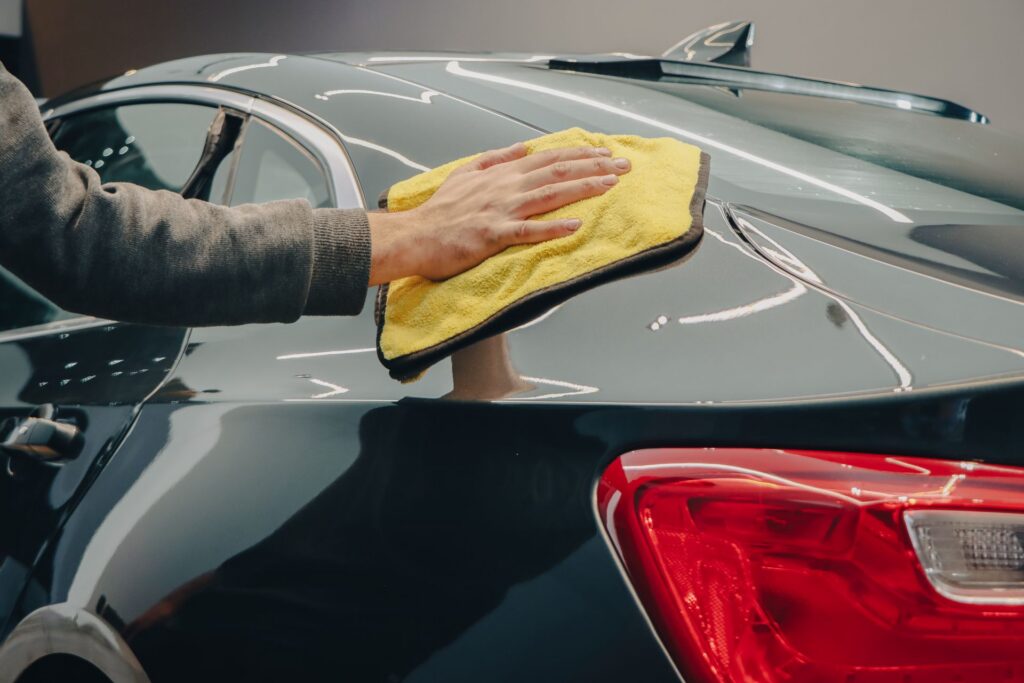
You have likely seen the kits at auto parts stores: for forty dollars, a small bottle, a couple of applicator pads, and a promise of showroom-level ceramic coating protection on a Saturday afternoon in your driveway. While the chemistry in the bottle is typically fine, the real issues arise from everything that happens before and after the application. After years of fixing the results these kits leave behind, we want to walk you through why they fall short so you know exactly what you are signing up for before you buy.
Why Surface Prep Makes or Breaks the Result
A ceramic coating does not just sit on top of your paint; it must bond to it. That bond only forms correctly on a surface that has been fully decontaminated first.Most DIY kits skip this step almost entirely. A regular wash removes surface dirt, but it leaves behind embedded iron particles, tree sap, and industrial fallout that create texture on the clear coat. That texture prevents the coating from bonding properly. Instead, the coating sits on top of the contamination rather than locking into the paint, which sets the entire job up for early failure.
We see this often in North Kansas City, especially on cars parked near the rail yards and industrial stretches around Front Street, where airborne metal particles land on paint daily. Skipping decontamination here is the difference between a coating that lasts and one that peels within a single season.
Common DIY Ceramic Coating Mistakes We See Every Week
The following issues consistently show up on vehicles brought to us for correction after a DIY attempt.
- High spots and streaking. Ceramic coating must be worked in small, controlled sections, usually no more than two feet by two feet at a time. Most DIYers try to cover a full hood or door panel at once, and the coating begins curing before it can be leveled properly.
- Rushed or skipped curing time. A coating needs 24 to 48 hours before it can handle water or humidity. Driving the car or using a fan to speed things up creates internal stress that leads to cracking and early failure.
- Locked-in swirl marks. DIY kits rarely include proper paint correction, so any swirl marks or light scratches already in the clear coat get sealed in permanently instead of being removed first.
Even minor errors during application can shorten a coating's lifespan, which is why professional installation remains the more reliable path to a flawless result.
The Real Cost Difference Is Not What It Seems
On paper, a seventy-dollar DIY kit looks like an easy win against a professional service that can range from six hundred to two thousand dollars. However, that gap disappears quickly when a DIY coating fails.
A failed coating must be stripped using aggressive correction methods that can permanently thin the clear coat, then reapplied from scratch. The typical cost of correcting and reapplying a failed coating is $400 to $1,200, in addition to the original kit cost. A $70 kit can end up costing more than professional application would have from the start, all while the vehicle spends months with inadequately protected paint. That is the real math worth doing before you buy the kit.
What We Do Differently
Ceramic coating is effective when applied correctly. For it to hold up, it requires full paint decontamination and correction before any coating touches the panel, controlled application in a space where temperature and humidity are managed, and a full curing window before the car returns to North Kansas City weather. Each of those steps takes time that a driveway application usually skips, and skipping any one of them is what leads to failure.
If you're looking to achieve professional-grade results, we offer specialized ceramic coating packages tailored to North Kansas City conditions. We also provide durable paint protection film solutions designed to shield your vehicle from the road hazards that DIY kits simply can't stop.
Let's Get It Done Right the First Time
If you have already tried a DIY kit and it did not hold up, or if you want to skip the trial and error altogether, give us a call at 855-676-5299 or contact us through our website. We would rather walk you through the process correctly up front than see you back here in six months for a correction job.
Frequently Asked Questions
About the Author
Thomas Beamann | Owner’s Pride North Kansas City
North Kansas City, MO | Automotive Detailing & Protection Services
Thomas Beamann is the owner of Owner’s Pride North Kansas City, where he serves drivers throughout the North Kansas City area with a focus on high-quality automotive care and long-term protection. He is committed to delivering every service with precision and consistency, ensuring that each vehicle receives his personal attention and expert craftsmanship from start to finish.
Dedicated to maintaining the integrity of every car he touches, Thomas prioritizes customer trust and clear communication. His goal is to provide dependable results that preserve a vehicle's value and appearance, supporting both enthusiasts and everyday drivers in the community with reliable, detail-oriented processes.